Diabetic Retinopathy: Symptoms, Causes, Stages & Best Treatment Options
Diabetic Retinopathy is a serious diabetic eye disease that can lead to blindness if untreated. Learn its symptoms, causes, stages, diagnosis, and best treatments.
What Is Diabetic Retinopathy?
Diabetic Retinopathy is a sight-threatening diabetic eye disease caused by long-term high blood sugar levels that damage the retina. It is one of the leading causes of vision loss among diabetics, yet it is fully preventable with early detection.
Why Diabetic Retinopathy Is Dangerous
The biggest danger of diabetic retinopathy is that it progresses silently.
Most patients do not notice symptoms until the disease reaches an advanced stage.
Early diagnosis is the key to preventing permanent vision loss.
Symptoms of Diabetic Retinopathy
If you have diabetes and experience any of the following symptoms, you must see a retina specialist immediately:
- Blurred or fluctuating vision
- Black spots or floaters
- Difficulty seeing at night
- Faded or dull colors
- Loss of central vision
- Sudden vision loss
Causes & Risk Factors
The main cause is uncontrolled blood sugar, but various factors accelerate the damage:
- High HbA1c
- High blood pressure
- High cholesterol
- Long duration of diabetes
- Kidney disease
- Smoking
- Pregnancy in diabetic women
Stages of Diabetic Retinopathy
Understanding the stages helps identify how urgently treatment is needed.
1. Mild Non-Proliferative Diabetic Retinopathy
Tiny microaneurysms appear. Usually symptom-free.
2. Moderate NPDR
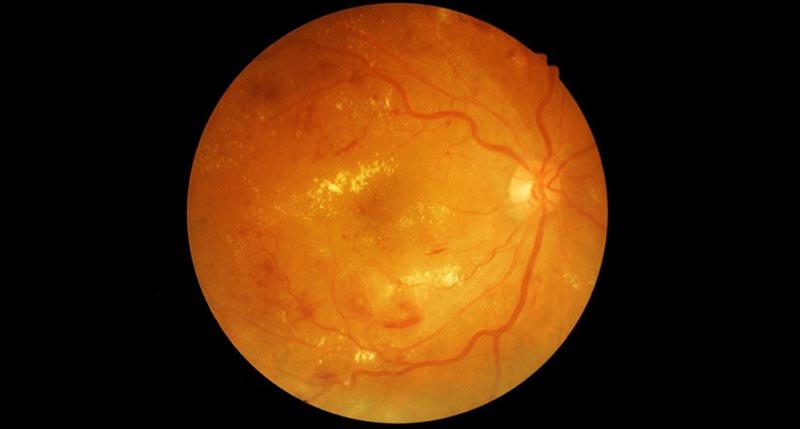
Blood vessels leak fluid and blood into the retina.
3. Severe NPDR
Multiple blockages restrict blood supply → high chance of disease progression.
4. Proliferative Diabetic Retinopathy (PDR)
New fragile abnormal vessels grow, causing bleeding and risk of blindness.
Diabetic Macular Edema (DME)
DME is swelling in the central part of the retina (macula) and is a major cause of vision loss in diabetics.
Symptoms include:
- Difficulty reading
- Blurred central vision
- Distorted images
Diagnosis: How Diabetic Retinopathy Is Detected
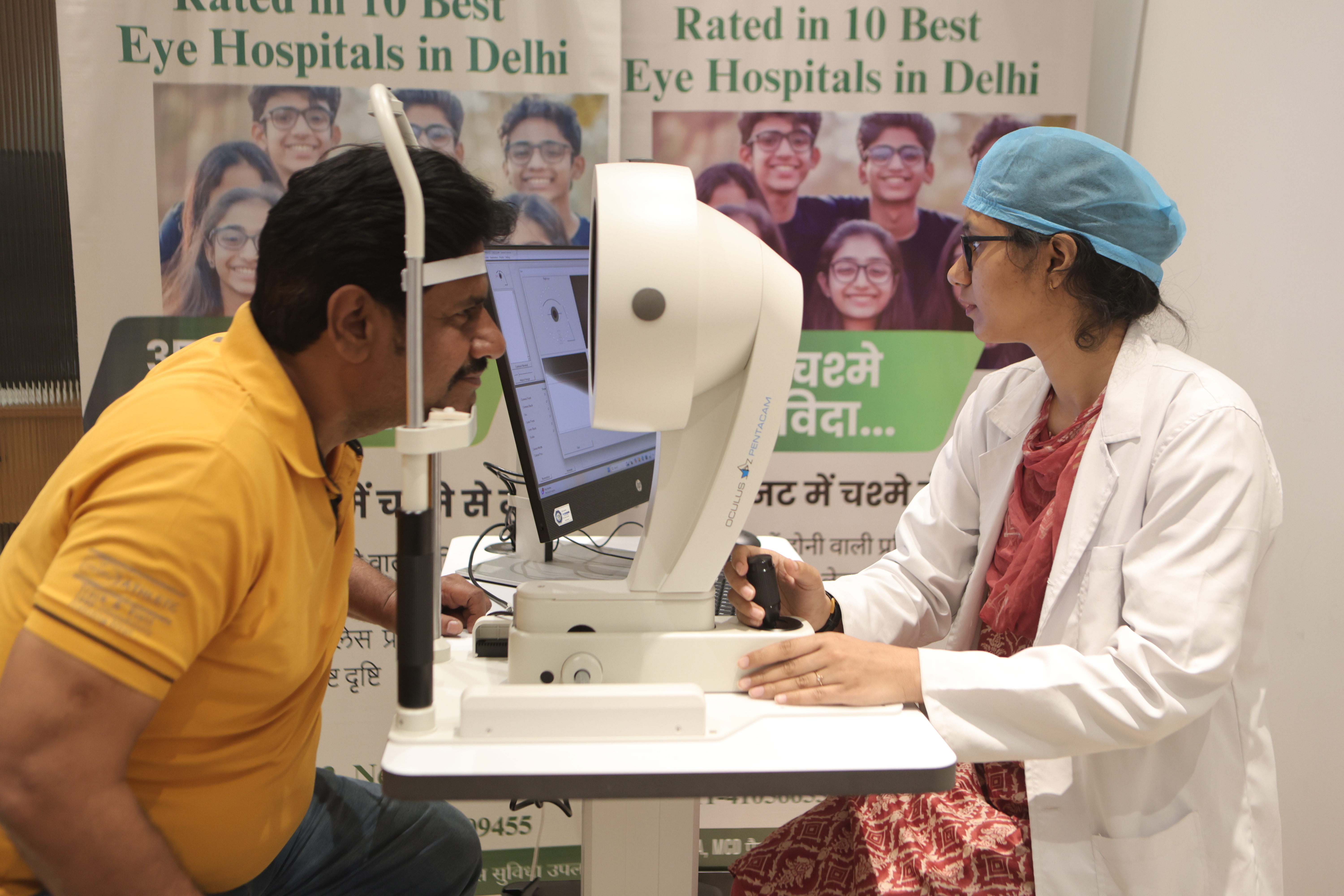
At a comprehensive diabetic eye examination, a retina specialist may perform:
- Dilated eye examination
- OCT Scan – detects macular swelling
- Fundus Photography – documents retinal changes
- OCT Angiography – identifies blocked or leaking vessels
- Fluorescein Angiography – maps retinal blood flow
Best Treatment Options for Diabetic Retinopathy
1. Anti-VEGF Injections
Highly effective for DME and early PDR.
Reduces leakage and swelling.
2. Laser Photocoagulation
Seals leaking blood vessels and slows progression.
3. PRP Laser (Pan-Retinal Photocoagulation)
Gold-standard treatment for Proliferative Diabetic Retinopathy.
Prevents retinal bleeding and detachment.
4. Vitrectomy Surgery
Used for advanced cases like:
- Vitreous hemorrhage
- Tractional retinal detachment
5. Lifestyle + Sugar Control
Maintaining HbA1c below 7% significantly reduces progression.
How to Prevent Diabetic Retinopathy
- Keep blood sugar under control
- Maintain BP & cholesterol
- Exercise daily
- Quit smoking
- Get annual diabetic eye screening (every 6 months if diabetic for >10 years)
Why Choose Netram Eye Foundation for Diabetic Retinopathy Treatment?
- Advanced OCT & OCTA diagnostic retina technology
- Experienced retina specialists
- Latest Anti-VEGF and PRP laser systems
- Comprehensive diabetic eye care under one roof
Conclusion
Diabetic Retinopathy is preventable, treatable, and manageable—if diagnosed early.
If you have diabetes, prioritise a regular retina checkup every year.
Early detection today can save your vision tomorrow.