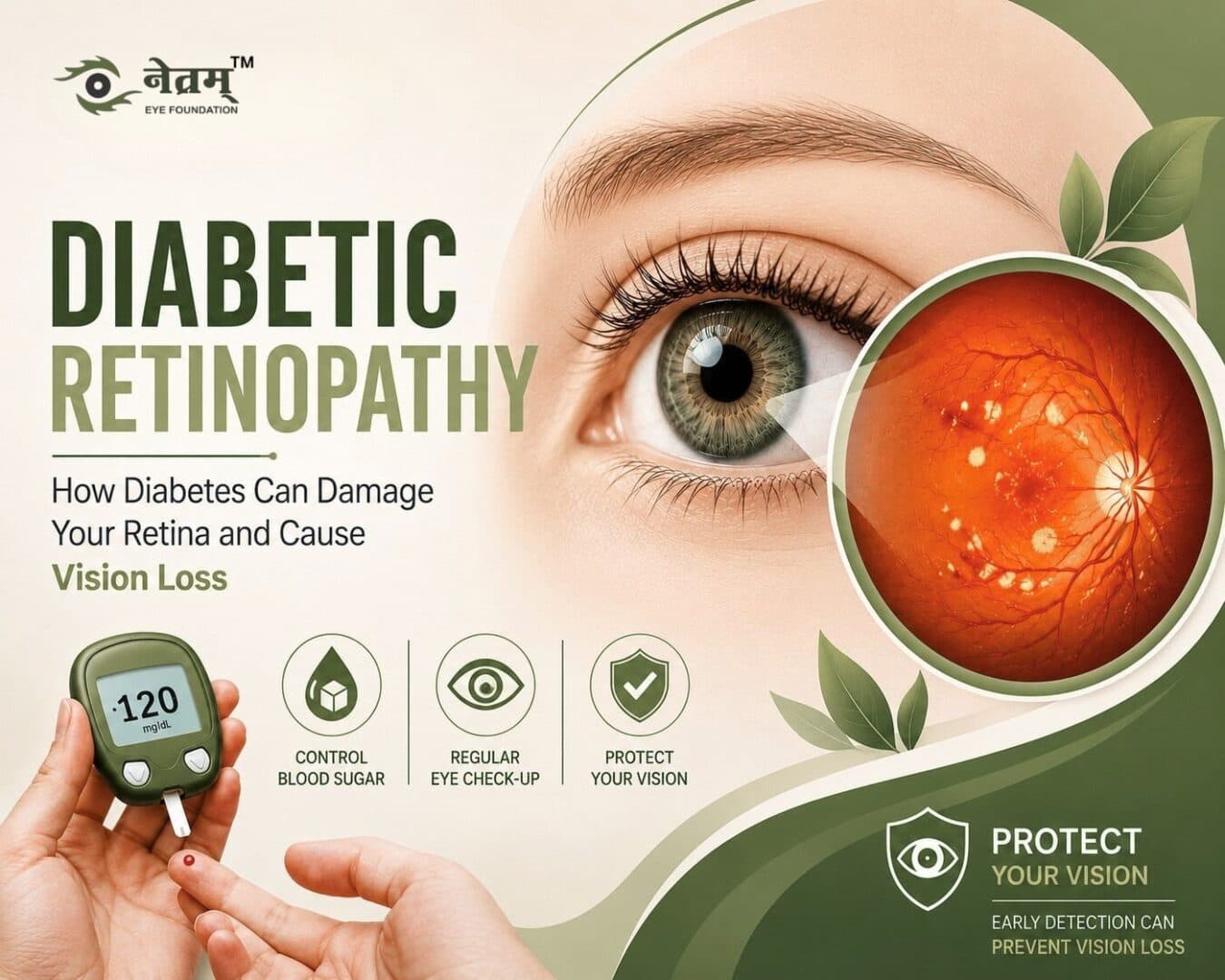
The Silent Thief of Sight: How Diabetes Can Damage Your Retina and Cause Vision Loss
Imagine waking up one day and realizing your vision is no longer as sharp as it used to be. For millions of people living with diabetes, this is a reality that slowly creeps in—often without warning. The condition responsible for this is called diabetic retinopathy, and it represents one of the most serious complications of diabetes. It is the leading cause of blindness among working-age adults in the United States . What makes it particularly dangerous is its ability to develop silently, without any noticeable symptoms, until significant damage has already occurred. However, the good news is that with early detection and proper management, permanent vision loss can be prevented.
Understanding how diabetes damages your eyes is the first step toward protecting your sight. This guide provides a clear and comprehensive overview of diabetic retinopathy, covering its causes, stages, symptoms, and the crucial steps you can take to safeguard your vision.
What is Diabetic Retinopathy?
Diabetic retinopathy is a diabetes-related eye complication that affects the retina, the light-sensitive layer of tissue at the back of your eye . The retina’s job is to convert light into electrical signals that are sent to your brain, which then interprets them as the images you see. To function correctly, the retina relies on a steady supply of blood delivered by a network of tiny blood vessels .
When blood sugar levels remain high for a prolonged period, it slowly damages these delicate blood vessels. This damage can cause the vessels to leak fluid and blood, or become blocked entirely . This is the core of diabetic retinopathy.
This condition can affect anyone with type 1 or type 2 diabetes . And contrary to a common misconception, it isn’t just a problem for those with poorly managed diabetes. Even people who think their blood sugar is “under control” can develop it, making regular eye check-ups essential for everyone with the condition .
The Two Main Stages of Diabetic Eye Disease
Diabetic retinopathy is generally classified into two main stages, though it progresses through four distinct phases. Understanding these stages helps in grasping how the disease evolves from a manageable condition to one that threatens eyesight.
Non-Proliferative Diabetic Retinopathy (NPDR) – The Early Stage
This is the more common, early form of the condition, also known as background retinopathy . In NPDR, the walls of the blood vessels in your retina weaken. Tiny bulges, called microaneurysms, can protrude from the vessel walls, sometimes leaking fluid and blood into the retina . As NPDR advances from mild to severe, more blood vessels become blocked, and the leakage can become more pronounced.
Within NPDR, a critical complication called diabetic macular edema (DME) can occur. The macula is the central part of the retina responsible for sharp, straight-ahead vision, crucial for reading, driving, and recognizing faces. In DME, fluid builds up in the macula, causing it to swell and leading to vision distortion and loss . DME is the most common cause of vision loss in people with diabetes .
Proliferative Diabetic Retinopathy (PDR) – The Advanced Stage
As NPDR worsens, more retinal blood vessels become blocked, cutting off the blood supply to the retina. In response, the eye is triggered to grow new, abnormal blood vessels—a process called neovascularization . This is the defining characteristic of the advanced stage, known as proliferative diabetic retinopathy (PDR) .
However, these new blood vessels are fragile and grow improperly. They often leak blood into the clear, jelly-like substance that fills the center of the eye, known as the vitreous, causing vision loss . The growth of these weak vessels can also lead to the formation of scar tissue, which can contract and cause the retina to detach from the back of the eye—a medical emergency that can lead to permanent blindness . If the new blood vessels block the normal drainage of fluid from the eye, it can also lead to a painful increase in eye pressure, resulting in glaucoma .
The Four Stages of Diabetic Retinopathy
For a more detailed breakdown, the condition is often described in four stages :
- Stage 1: Mild NPDR. Microaneurysms occur, where small areas of balloon-like swelling appear in the retina’s blood vessels.
- Stage 2: Moderate NPDR. Some blood vessels become blocked, leading to increased leakage of blood and fluid into the retina.
- Stage 3: Severe NPDR. More blood vessels are blocked, depriving the retina of a vital blood supply. This signals the need for new vessel growth.
- Stage 4: Proliferative Diabetic Retinopathy (PDR). This is the advanced stage. The retina responds to the lack of blood supply by growing new, fragile, and abnormal blood vessels that can bleed into the vitreous, leading to severe vision problems and retinal detachment.
The Silent Symptoms You Shouldn’t Ignore
One of the most dangerous aspects of diabetic retinopathy is its silent progression. In its early stages, you may experience no symptoms at all . This is why it is possible to have a healthy feeling in your eyes and even have 20/20 vision, yet still have a severe, potentially blinding condition .
As the disease progresses, you might begin to notice a range of symptoms, including:
- Blurry or fluctuating vision. Your sight may come and go .
- Floaters. Seeing an increasing number of spots, strings, or dark threads floating in your vision. This can be a sign of bleeding in the eye .
- Dark or empty spots. Experiencing areas in your field of vision where you can’t see .
- Poor night vision. Difficulty seeing in low light .
- Impaired color vision. Colors may appear faded or washed out .
- Sudden vision loss. In advanced cases, vision can be lost quickly and completely .
If you experience any of these symptoms, it is crucial to contact an eye specialist immediately .
Who is Most at Risk for Diabetic Retinopathy?
Anyone with diabetes is at risk of developing diabetic retinopathy . The key risk factors that increase your likelihood of developing the condition or having it progress more rapidly include:
- Long Duration of Diabetes: The longer you have diabetes, the higher your risk. This is the most significant risk factor .
- Poor Blood Sugar Control: Consistently high blood sugar levels accelerate the damage to your retinal blood vessels .
- High Blood Pressure (Hypertension): High blood pressure puts extra stress on the weakened blood vessels in the eye, making leakage and blockages more likely .
- High Cholesterol: Elevated cholesterol levels can contribute to the blockage of blood vessels .
- Pregnancy: Pregnant women with diabetes are at a higher risk and should have a comprehensive eye exam .
- Smoking: Smoking narrows blood vessels and impairs circulation, significantly increasing the risk of eye complications .
- Ethnicity: Individuals of African-American, Hispanic, and Native American descent are at a statistically higher risk .
How Is Diabetic Retinopathy Diagnosed?
A diabetic retinopathy diagnosis is typically made through a comprehensive, dilated eye exam by an ophthalmologist or optometrist . During this exam, special eye drops are used to widen (dilate) your pupils, allowing the doctor to get a clear view of the retina and look for signs of damage, such as:
- Abnormal blood vessels.
- Fluid or blood leakage.
- Fatty deposits (exudates) on the retina.
- Swelling of the macula.
- Scar tissue .
If the doctor suspects retinopathy or wants more detailed information, they may perform additional tests:
- Fluorescein Angiography: A dye is injected into your arm, and a special camera takes pictures of your eye as the dye circulates. This helps pinpoint which blood vessels are blocked, leaking, or abnormal .
- Optical Coherence Tomography (OCT): This is a non-invasive imaging test that uses light waves to create a cross-sectional picture of the retina, allowing doctors to precisely measure the thickness of the retina and macula to detect swelling (edema) .
Can You Treat and Reverse Diabetic Retinopathy?
The primary and most important treatment for diabetic retinopathy is taking control of your diabetes . This is the foundation upon which all other treatments are built. While some early changes in the eye can be reversed with better blood sugar control, the condition is generally progressive . However, the goal of treatment is to prevent, slow, or halt further damage and vision loss . Here are the main treatment options for advanced stages:
- Laser Treatment (Photocoagulation): For many years, laser therapy has been the standard treatment for diabetic retinopathy. It is highly effective in sealing leaking blood vessels and preventing the growth of new, abnormal vessels in proliferative retinopathy .
- Anti-VEGF Injections: In recent years, medications called anti-VEGF (Vascular Endothelial Growth Factor) agents have become a mainstay of treatment. These drugs are injected directly into the vitreous of the eye to block the chemical signals that cause abnormal blood vessels to grow and leak, and they are particularly effective in treating diabetic macular edema .
- Vitrectomy: This is a surgical procedure to remove blood and scar tissue from the center of the eye. It is typically used in cases of advanced proliferative retinopathy where there has been significant bleeding or a retinal detachment .
Prevention: The Best Medicine for Your Eyes
When it comes to diabetic retinopathy, prevention is always better than cure. You have significant power to reduce your risk of developing this condition or slow its progression.
- Maintain Excellent Blood Sugar Control: This is your number one defense. Managing your blood sugar, checking your HbA1c levels regularly, and following your prescribed treatment plan are essential to protect the blood vessels in your eyes .
- Manage Blood Pressure and Cholesterol: Keeping your blood pressure and cholesterol within healthy ranges is just as vital as controlling your blood sugar for protecting your eyesight .
- Schedule a Yearly Comprehensive Dilated Eye Exam: This is non-negotiable. Even if your vision seems perfect, see your eye doctor at least once a year. Early detection is the most powerful tool to prevent vision loss .
- Adopt a Healthy Lifestyle: A balanced diet rich in leafy green vegetables, regular physical activity, and avoiding smoking are all crucial for maintaining overall health and protecting your circulation and eyes .
- Watch for Vision Changes: If you notice any new floaters, blurring, or dark spots, don’t wait for your next scheduled appointment. See your eye doctor immediately .
Conclusion
Diabetic retinopathy is a serious and potentially blinding complication of diabetes, but it is not an inevitable one. By understanding how diabetes can damage your retina, you are taking the most critical step toward protecting your vision. The key lies in a two-pronged approach: vigilant prevention and early detection.
Proactive management of your blood sugar, blood pressure, and cholesterol, combined with a healthy lifestyle, is your best defense against the onset and progression of the disease. And because this condition can silently steal your sight, a comprehensive dilated eye exam every year is not just a suggestion—it’s an essential part of your diabetes care plan.
Medically reviewed by Dr. Anchal Gupta, Netram Eye Foundation. This article is for general awareness and is not a substitute for a personal consultation.
Don’t wait for your vision to change. Take control today. If you have diabetes, schedule your comprehensive eye exam and talk to your healthcare team about the best ways to manage your overall health to save your sight. Your future vision depends on the choices you make today.
Frequently Asked Questions (FAQs)
Q1: Can I prevent diabetic retinopathy?
Yes, you can significantly reduce your risk. The most important step is to maintain strict control of your blood sugar levels. Managing your blood pressure and cholesterol, getting a yearly comprehensive eye exam, and adopting a healthy lifestyle (including not smoking and eating well) are also crucial preventive measures .
Q2: What are the common symptoms of diabetic retinopathy?
In the early stages, there are often no symptoms at all, which is why yearly eye exams are so important. As it progresses, you may experience blurry vision, an increasing number of floaters (spots or strings), dark or empty areas in your vision, poor night vision, and even sudden vision loss .
Q3: Is there a cure for diabetic retinopathy?
There is no “quick fix” cure for diabetic retinopathy. However, the damage can often be stopped or slowed down significantly through treatment. In its early stages, the best treatment is controlling your diabetes . For more advanced stages, treatments like laser therapy and injections into the eye can be very effective in preventing further vision loss .
Q4: How does high blood sugar affect the eyes?
High blood sugar damages the tiny blood vessels in the retina. Over time, this damage causes the vessels to weaken, leak fluid and blood, or become blocked. This can lead to swelling of the retina (macular edema), the growth of abnormal new vessels, and eventually vision loss .
Q5: Can I have diabetic retinopathy without symptoms?
Absolutely. This is one of the most common and dangerous aspects of diabetic retinopathy. You may have no symptoms and even have 20/20 vision while the disease is actively progressing. This is why a yearly dilated eye exam is critical for everyone with diabetes .
Q6: When should someone with diabetes get an eye exam?
Anyone with type 1 or type 2 diabetes should have a comprehensive dilated eye exam at least once a year . You should also see an eye specialist immediately if you experience any vision changes, such as blurriness or floaters, or if you are planning a pregnancy .