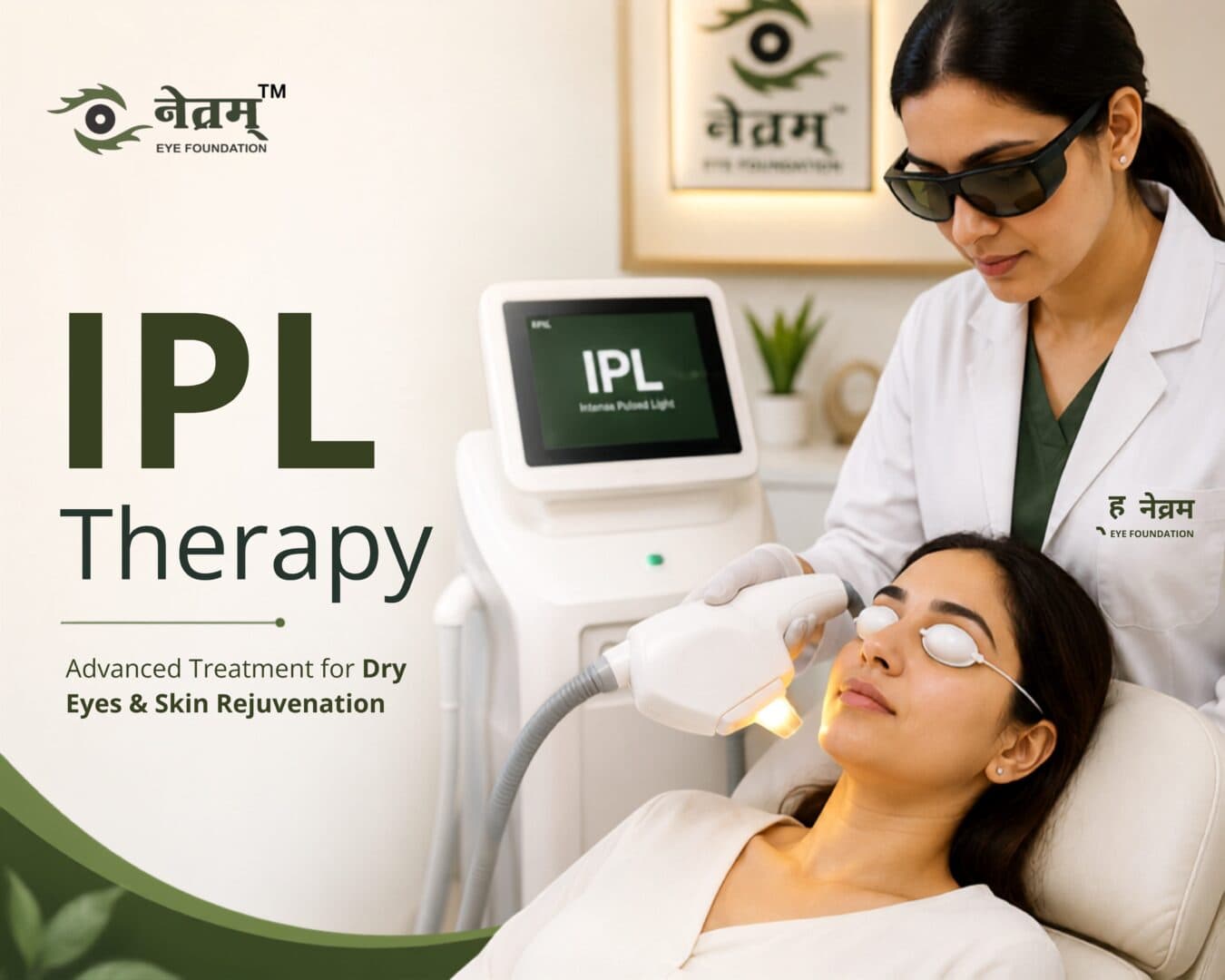
IPL Therapy: The Revolutionary Light Treatment Transforming Eye Care and Skin Health
When you hear about light therapy, you might think of seasonal affective disorder lamps or red light therapy for wrinkles. But Intense Pulsed Light (IPL) therapy has quietly become one of the most versatile and effective treatments in modern medicine, offering life-changing results for patients suffering from everything from chronic dry eye to unwanted pigmentation.
Whether you’re struggling with stubborn dry eyes, rosacea, age spots, or simply want to rejuvenate your skin, IPL therapy offers a non-invasive, science-backed solution with minimal downtime. In this comprehensive guide, we’ll explore everything you need to know about IPL therapy, with a special focus on its groundbreaking applications in ophthalmology—particularly for dry eye disease and ocular rosacea.
What Is Intense Pulsed Light (IPL) Therapy?
Intense Pulsed Light therapy is a non-invasive treatment that uses high-intensity pulses of broad-spectrum light to target specific tissues in the body. Unlike lasers that emit a single wavelength of light, IPL delivers multiple wavelengths that can be adjusted to address various conditions. This versatility makes IPL effective for treating skin concerns like sun damage, rosacea, and pigmentation, as well as ocular conditions like meibomian gland dysfunction (MGD) and dry eye disease .
IPL works on the principle of selective photothermolysis—meaning the light energy is absorbed by specific “targets” called chromophores (like hemoglobin in blood vessels or melanin in pigment), converted to heat, and then causes controlled thermal damage to the targeted area while sparing surrounding healthy tissue .
IPL vs. Laser Therapy: What’s the Difference?
A common question patients ask is how IPL differs from laser treatment. While both technologies use light energy to treat various conditions, they work differently:
| Feature | IPL Therapy | Laser Therapy |
| Light Type | Broad spectrum, multiple wavelengths | Single, focused wavelength |
| Treatment Area | Covers larger areas quickly | Highly focused, precise targeting |
| Intensity | Lower energy, gentler | Higher energy, more intense |
| Ideal For | Multiple concerns simultaneously | Single, specific issue |
While IPL is less focused and requires more sessions to achieve dramatic results, its versatility and ability to treat larger areas make it a popular choice for patients seeking comprehensive rejuvenation. In ophthalmology specifically, IPL has shown remarkable efficacy in treating dry eye disease, often surpassing traditional treatments .
IPL Therapy for Dry Eye Disease
One of the most exciting applications of IPL therapy in recent years has been its use in treating dry eye disease, particularly when it’s caused by meibomian gland dysfunction (MGD). This condition accounts for an estimated 86% of dry eye cases, making it the most common underlying cause .
Understanding Meibomian Gland Dysfunction (MGD)
Meibomian glands are tiny oil-producing glands located along the edges of your upper and lower eyelids. They secrete meibum, an oily substance that forms the outermost layer of your tear film. This oil prevents your tears from evaporating too quickly, keeping your eyes lubricated and comfortable. When these glands become blocked, produce poor-quality oil, or fail to function properly, your tears evaporate too fast—leading to the classic symptoms of dry eye: redness, burning, grittiness, blurred vision, and discomfort .
How IPL Works for Dry Eye Disease
IPL therapy addresses MGD through several mechanisms:
- Reduces Inflammation: IPL targets the abnormal, dilated blood vessels (telangiectasia) on the eyelids that often accompany rosacea and MGD. By heating and coagulating these vessels, IPL reduces inflammation in the eyelid tissues .
- Liquefies Meibum: The heat generated during IPL treatment raises the temperature of the meibomian glands, melting the thickened, waxy oil that’s blocking the glands. This allows for easier expression of healthy meibum during subsequent gland expression .
- Improves Gland Function: By reducing inflammation and clearing blockages, IPL improves the overall function of the meibomian glands, leading to better quality and quantity of oil in your tear film .
- Eliminates Demodex Mites: Research suggests IPL may help reduce the population of Demodex mites on the eyelids. These microscopic parasites can cause inflammation and contribute to MGD, particularly in patients with rosacea .
Scientific Evidence Supporting IPL for Dry Eye
The clinical evidence for IPL in treating dry eye is compelling. A 2024 review published in Lasers in Medical Science confirmed that IPL therapy improves tear film stability, meibomian gland function, and subjective symptoms of ocular dryness in MGD patients . Emerging evidence also suggests benefits for other ocular surface diseases, including blepharitis and chalazia .
A one-year study found that IPL therapy is effective for treating refractory MGD in both glaucoma and non-glaucoma patients, with significant improvements in dry eye symptoms, tear film stability, and meibum quality .
The Modern Optometry journal recently highlighted IPL as a “revolutionary” approach to managing ocular rosacea, with 91% of patients showing at least a partial response to treatment .
For patients who have undergone LASIK or SMILE surgery and developed post-operative dry eye, IPL therapy has also proven highly effective. A randomized controlled trial published in Medicine (2025) demonstrated that IPL treatment significantly reduced ocular surface disease index (OSDI) scores and improved tear film stability compared to conventional medication alone .
IPL for Skin Rejuvenation and Dermatological Conditions
While IPL has found a new purpose in ophthalmology, it remains a gold standard treatment for numerous dermatological conditions :
Common Skin Conditions Treated with IPL
- Age Spots and Sun Damage: IPL targets melanin, breaking down pigmented cells and bringing them to the surface where they flake off, revealing clearer skin .
- Rosacea and Redness: IPL reduces the appearance of visible blood vessels and overall redness by targeting hemoglobin and coagulating enlarged capillaries .
- Acne and Acne Scarring: IPL’s anti-inflammatory effects help reduce active acne, and by stimulating collagen production, it can improve the appearance of scars .
- Unwanted Hair: IPL remains a popular choice for permanent hair reduction on the body. The light energy is absorbed by melanin in the hair follicle, damaging it and preventing future growth .
- Fine Lines and Wrinkles: IPL stimulates collagen production, improving skin elasticity and reducing the appearance of fine lines .
One of the key advantages of IPL for skin treatments is its ability to address multiple concerns simultaneously—if you have both sunspots and broken capillaries, IPL can tackle both in a single session .
What to Expect During an IPL Treatment Session
Before Your IPL Session
Proper preparation is essential for safe and effective IPL treatment. Your provider will typically instruct you to:
- Avoid sun exposure and tanning for at least two weeks before your session.
- Discontinue using retinoids, deodorants, perfumes, and other skin irritants in the treatment area.
- Avoid anti-inflammatory medications like aspirin.
- If you have a history of cold sores or herpes virus, you may be prescribed antiviral medication to prevent an outbreak .
During the Procedure
An IPL session is relatively quick, typically lasting 20 to 30 minutes:
- You’ll be seated comfortably, and protective eyewear will be placed over your eyes .
- A cooling gel is applied to the treatment area to protect your skin and allow the light to penetrate more effectively .
- The practitioner will use a handheld device to deliver pulses of light. You may feel a mild stinging sensation, often described as a rubber band snapping against your skin .
- The number of pulses will depend on the size of the area being treated.
Aftercare and Recovery
The recovery time for IPL therapy is minimal. You might experience:
- Redness and swelling, similar to a mild sunburn, which typically resolves within 24-48 hours .
- Darkening of pigmented spots (this is normal; they will flake off within a week or two).
- Slight crusting or tenderness.
Post-treatment instructions usually include applying cool compresses, avoiding hot water, and most importantly—staying out of the sun and using SPF 30 or higher .
How Many IPL Treatments Are Needed?
The number of IPL sessions required depends on your condition and individual response:
- For Dry Eye Disease: A typical treatment protocol consists of four sessions spaced 2-4 weeks apart. Many patients experience improvement after the second or third session, with maximal benefits after the fourth treatment. Maintenance sessions are usually recommended once or twice a year .
- For Skin Conditions: Most patients require 2-6 sessions spaced 2-4 weeks apart to achieve optimal results .
Potential Side Effects and Safety Considerations
IPL therapy is generally safe when performed by a qualified practitioner. However, like any medical procedure, it carries some risks:
Common Side Effects
- Temporary redness and swelling (usually resolving within 48 hours)
- Mild stinging or discomfort during treatment
- Darkening of pigmented spots (temporary, resolves as spots shed)
Less Common Side Effects
- Blistering or crusting (rare)
- Temporary changes in skin pigmentation (hyperpigmentation or hypopigmentation)
- Bruising (for vein treatments)
Who Should Avoid IPL?
- Patients with skin types V-VI (Fitzpatrick scale), as darker skin is at higher risk of burns or pigmentation changes .
- Patients taking photosensitizing medications, including certain antibiotics and retinoids .
- Patients with active skin infections or a recent tan.
- Pregnant women (as a precaution).
- Patients with a history of keloid scarring or skin cancer in the treatment area .
Why Choose Netram Eye Foundation for IPL Therapy?
As a premier eye care institution committed to accessible, equitable, and world-class eye care, Netram Eye Foundation integrates IPL therapy into its comprehensive range of ophthalmic services . Under the leadership of Dr. Anchal Gupta, a visionary ophthalmologist with nearly 20 years of experience, the foundation is dedicated to providing advanced, ethical, and compassionate care to all sections of society .
Commitment to Excellence
- Advanced Technology: Using state-of-the-art Zeiss and Topcon diagnostic equipment for precise treatment planning .
- Expert Team: Led by experienced specialists trained in the latest IPL protocols for dry eye and ocular surface disease .
- Patient-Centered Care: Guided by the core values of Empathy, Ethics, Excellence, and Equality .
- Accessible: Offering cashless facilities and financial options to ensure quality care is within everyone’s reach .
Whether you are struggling with chronic dry eye, ocular rosacea, or simply seeking skin rejuvenation, Netram Eye Foundation offers the expertise and technology to help you achieve lasting results. Their multidisciplinary approach combines IPL therapy with comprehensive eye care, ensuring that the root causes of your condition are addressed.
Frequently Asked Questions (FAQ)
What is IPL therapy used for?
IPL therapy is used for a wide range of conditions, including dry eye disease, meibomian gland dysfunction, skin rejuvenation, age spots, rosacea, unwanted hair, and vascular lesions.
Does IPL therapy hurt?
Most patients describe the sensation as a mild stinging or snapping feeling, similar to a rubber band being flicked against the skin. Topical anesthetics and cooling gels help minimize discomfort.
How long does an IPL session take?
A typical session takes between 15 to 30 minutes, depending on the treatment area.
How many IPL treatments will I need for dry eye?
Typically, four sessions spaced 2-4 weeks apart are recommended, with maintenance sessions once or twice a year.
Is IPL therapy safe for all skin types?
IPL is safest for patients with Fitzpatrick skin types I-III. Patients with darker skin (types IV-VI) may be at higher risk for pigmentation changes and are often not suitable candidates .
How long do IPL results last?
Results vary, but skin rejuvenation results can last about a year, while dry eye symptom relief requires regular maintenance treatments. Consistency with sun protection and skincare helps prolong results .
What’s the difference between IPL and laser?
IPL uses multiple wavelengths of light and treats larger areas, while lasers use a single, focused wavelength for more precise targeting .
Conclusion
IPL therapy has evolved from a tool for skin rejuvenation to a powerful, non-invasive solution for treating chronic dry eye, ocular rosacea, and a host of other conditions. Its unique ability to reduce inflammation, improve gland function, and clear unsightly pigmentation makes it an invaluable asset in modern medical practice.
If you have been struggling with dry eye symptoms, skin concerns, or simply want to rejuvenate your appearance, IPL therapy could be the answer you’ve been looking for.
Take Action Today
Consult with the experts at Netram Eye Foundation to determine if IPL therapy is right for you. With advanced technology, experienced specialists, and a commitment to compassionate, accessible care, Netram can help you see and feel the difference. Contact them today at +91 9319909455 or (011) 41046655, or visit their website at https://www.netrameyefoundation.com/ to schedule your consultation.
Your journey to clearer eyes and radiant skin starts with a single step.